
Water damage in a flat: document a home insurance claim and neighbour demand
After sudden water damage, secure the scene, preserve evidence, notify the insurer promptly and separate a claim for your own contents from any claim by a neighbour. Coverage depends on the actual policy and cause.
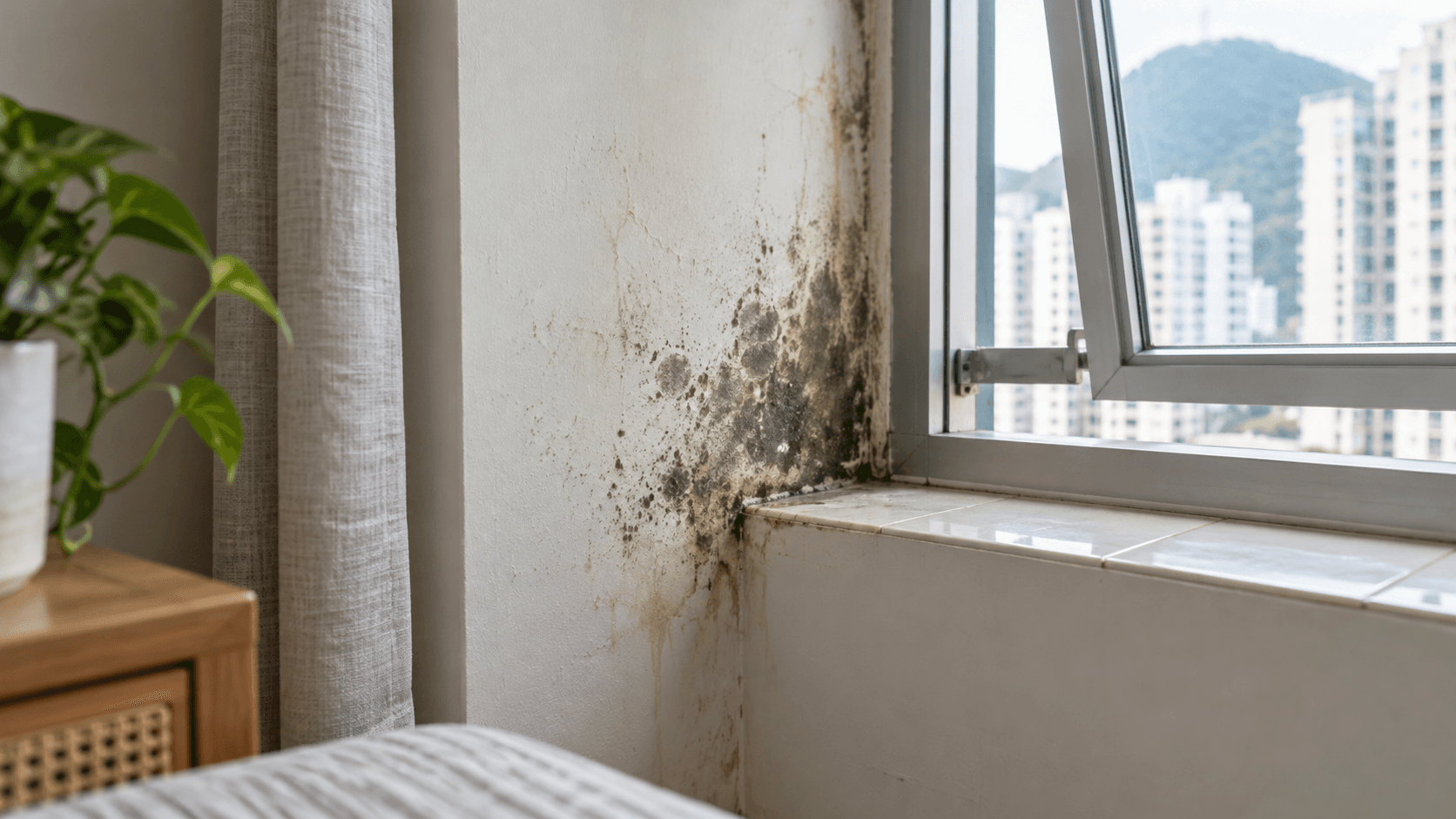
Make the scene safe and record an honest timeline
If water is entering a flat, keep away from wet electrical equipment and unsafe areas, then take reasonable steps to stop the continuing source. Contact building management, a suitable repair professional or emergency services as the situation requires. Do not delay a necessary safety action merely to improve photographs. If the source may be in an upper flat or shared pipe, record whom you contacted, when they attended and what temporary work they actually did. These observations help reconstruct the event, but they do not make you the person who can conclusively assign legal responsibility for the leak.
Once safe, photograph the room from its entrance and then the affected walls, floor, ceiling and individual items. Keep original files with time information where available. Pair a close view of a stain with a wide view showing which room it is in; a close view alone may be impossible to locate later. Write down when water was first noticed, when the area was last known to be dry, and when isolation or repairs occurred. Mark an unknown onset as unknown rather than converting a guess into an eyewitness account. The Insurance Authority recommends photos or video and prompt notice to the insurer.
Separate your property from the building and from liability
Home contents cover commonly concerns belongings such as furniture, appliances, clothing and interior decoration. Building cover may address a different class of structure or original fixture. The Insurance Authority says definitions, per item limits and aggregate limits vary between policies. Obtain the policy schedule and full wording for the insured address and date, then classify each damaged item. A statement that the household has 'home insurance' cannot establish that every damaged surface or possession is covered. Nor does it establish who owns a built in fixture under the tenancy or sale documents.
For a rented flat, the tenant may list their own damaged possessions while the landlord checks any building or decoration policy they hold. Management may have a separate arrangement for common parts. None should assume the other's insurer will pay. Record ownership, apparent damage and the current evidence of cause in separate columns. Locate purchase records, model details, older photographs and a repair assessment if available. If a receipt has been lost, tell the insurer what evidence remains; do not invent a replacement price or manufacture a receipt. A genuine incomplete file can be supplemented later.
A deductible is the part of an eligible claim borne by the policyholder under the policy. The IA notes that different categories may have different deductibles. The insurer may settle by repair, reinstatement or replacement rather than a cash payment, depending on the wording and circumstances. Ask whether an adjuster must inspect, whether emergency cleaning or temporary accommodation needs consent, and what invoices to retain. A contractor quotation is useful evidence of a proposed cost, not proof of the amount the insurer has agreed to pay.
Notify, preserve and repair in a sequence you can explain
The IA advises photographing or filming damage immediately where possible and notifying the insurer as soon as possible. Its home insurance guide says the insurer may wish to inspect damaged items, so throwing everything away before inspection and confirmation can affect the outcome. If wet materials pose an immediate health or safety problem, document them first, explain the urgency to the insurer and record the instructions received. This is a practical balance between preventing further harm and preserving inspectable evidence. Keep original image files, not just compressed copies sent in a messaging app.
When reporting the event, give the policy number, insured address, discovery time, steps taken to stop water, the known losses and what remains uncertain. Distinguish what you personally saw from an initial comment by management or an unfinished plumber's investigation. Ask for the claim form, notification deadline in this policy, inspection arrangements, emergency repair rules and evidence the insurer first needs. Note the call time, contact name and reference number. Follow up important instructions in writing so a later change of claims handler does not erase the agreed sequence.
Repairs should leave a trace. If a pipe is removed, record who removed it and why, photograph it before removal and ask whether it must be retained for inspection. If drying or mould prevention is needed, keep the service quotation, actual invoice and description of what was done. A management or engineer report may help locate the source, but an early hypothesis in that report is not the insurer's final finding about coverage. The aim is to restore a safe home while preserving a reliable account of cause, loss and reasonable mitigation.
Treat a neighbour demand as a separate liability question
A downstairs neighbour may report ceiling damage or damaged belongings after water appears in your flat. Third party liability cover addresses a different question from payment for your own contents: whether you are legally liable for the other's loss and whether that liability fits the policy. The IA identifies water seepage damage to a neighbour's property as a common type of potential liability claim. That example does not mean every upstairs resident is automatically responsible. The source might be a private pipe, shared service or another route, and the evidence must be investigated.
The IA warns that a policyholder facing a third party claim should not admit liability or agree a settlement without the insurer's consent, because that can affect the claim procedure. You can acknowledge the report, cooperate with an investigation and tell the neighbour that you have notified your insurer. Preserve their photographs, list of alleged loss and the exact messages exchanged. Refer demands to the insurer and relevant professionals for assessment. Avoid writing in a residents' chat that you have caused all damage when the source has not been established. Courtesy and prompt action do not require a premature legal admission.
Work through two claim files arising from one incident
Imagine a resident returning to find water on the kitchen floor, a damp appliance under a cabinet and a same day message from the lower flat about a ceiling stain. The resident first addresses electrical safety and water isolation, photographs their kitchen, records management's attendance and notifies the home insurer. The appliance purchase evidence, photographs and service assessment belong in a contents loss file. The neighbour's message, images and investigation of the water route belong in a liability file. They can relate to one event without being one undifferentiated invoice for 'water repair'. The example does not decide fault or promise a payment.
Suppose later inspection finds an old pipe. The IA explains that natural wear and tear or deterioration from inadequate maintenance is generally excluded, and damage that existed before the policy began may also be excluded. An old pipe alone does not settle the coverage decision: the actual cause, damaged items and policy language still matter. A sudden accident and a long running leak can have different evidence. If the source is uncertain at first notice, preserve both possibilities and say that the investigation is ongoing instead of fitting the facts to the coverage you hope to receive.
Read the decision and carry the repair record forward
When the insurer replies, compare the decision with the list submitted. Which items were assessed, which limit or deductible was applied, and is a neighbour's demand still open? If an exclusion is invoked, request the relevant policy wording and the factual basis the insurer used, then decide whether missing evidence should be supplied or a formal complaint is warranted. A different insurer's marketing example cannot define the terms of your own contract. Keep the written outcome and any repair or replacement evidence together, even if no payment is made.
After repairs, retain the cause report, before and after photographs, invoices and handover check. The IA says a policyholder should notify the insurer of a move or structural change during the policy period, as the risk and terms may need review. Before choosing another flat, a household can compare options in Houseline's catalogue and ask about existing damp marks and repair records at the actual property. Insurance is a financial response to specified insured events; it cannot repair a known defect that was never resolved or make a pre-existing condition newly covered.
