
Fitted carpet in a rental flat: check dampness and handover
Inspect the actual carpet and possible moisture source, then agree cleaning, repair and exit conditions in a dated tenancy record.
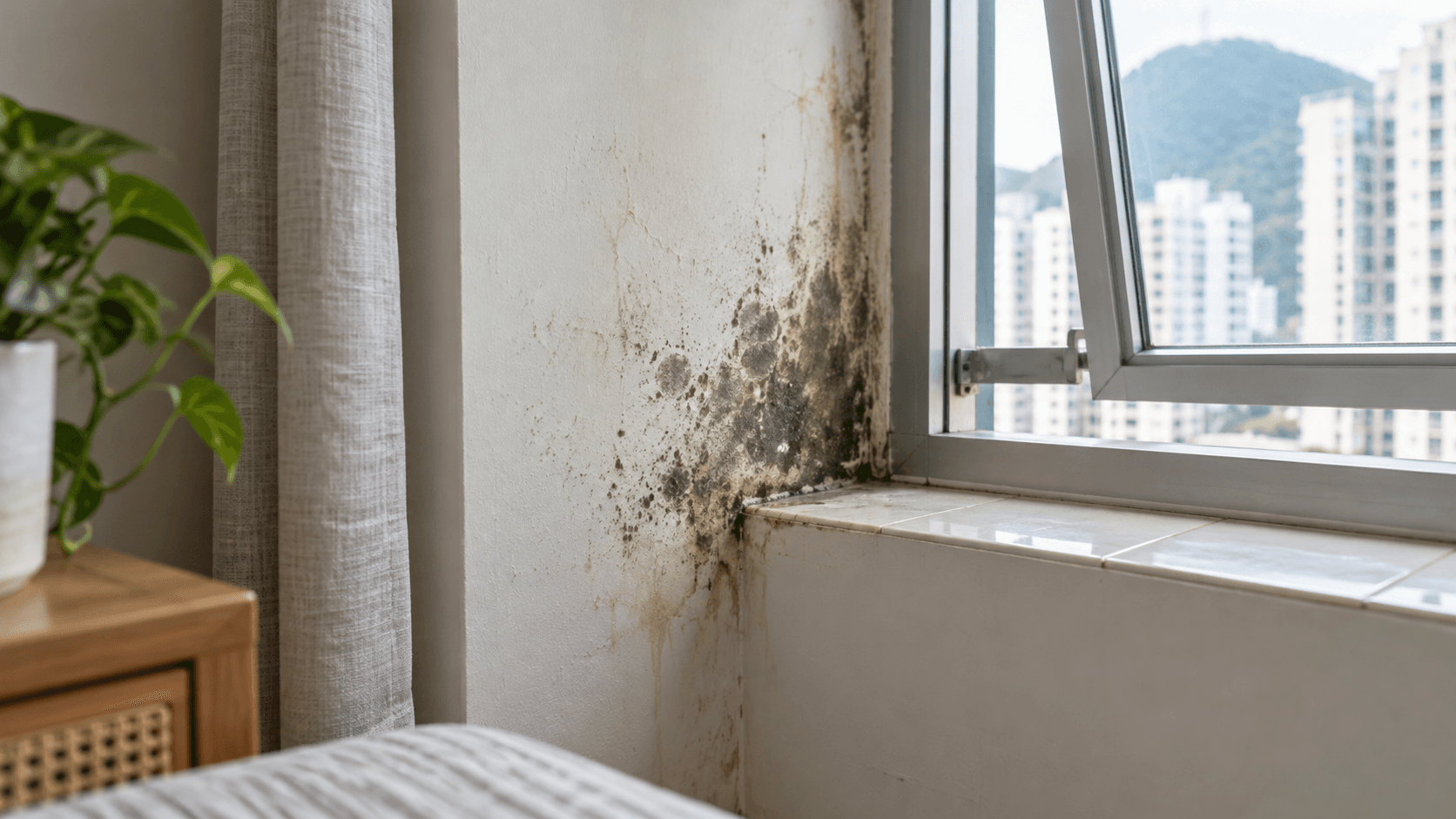
The carpet is part of the rental decision
A fitted carpet may feel warm underfoot and reduce the sound of footsteps, yet it also hides the floor and changes how a tenant cleans, responds to spills and returns the flat. At a viewing, determine whether the covering is wall to wall, removable, recently fitted, or simply a loose rug owned by the current occupier. Ask which rooms have it and whether the tenancy includes it. A photograph from an advertisement cannot show the condition of the backing or the edge below a wardrobe. The decision is whether this specific floor is dry, manageable and clearly documented at handover.
Do not assume every smell is caused by carpet, or that a clean-looking pile is free from moisture. The Indoor Air Quality Information Centre lists a newly laid carpet, damp odour and visible mould among signals worth investigating in a home. Its home booklet also connects poor ventilation and damp surfaces with biological contaminants. These are reasons to inspect the actual room and find a source of moisture; they are not a diagnosis of a particular flat. Residents with sensitivities can ask their own clinician about their needs, while the housing decision stays grounded in observable conditions.
Inspect the places a quick walk misses
With the owner's permission, view the carpet in daylight and check the edges at external walls, beneath a window, near bathroom and kitchen thresholds, around a past water leak, and behind accessible furniture. Look for staining, lifting, ripples, frayed seams, dark marks on skirting, condensation and a musty smell that returns when windows are closed. Touching a suspect area lightly can reveal dampness, but do not pull up fitted flooring or damage a landlord's property. Take dated photographs and note precisely where an observation occurred.
Ask when the covering was installed, what was beneath it, whether any water damage was reported, how it was cleaned and whether a professional ever investigated recurring damp. A cleaning receipt can prove a service was purchased; it cannot prove a leak was fixed or that an absorbent backing dried. If the owner offers to shampoo the carpet, agree what happens if the smell or stain returns after drying. Check the wall and window above the mark as well as the floor, because the repair may be to a pipe, building fabric or ventilation routine rather than to the carpet surface.
Decide whether cleaning or removal makes sense
Separate ordinary dust and surface marks from suspected contamination. Routine vacuuming and prompt attention to small spills may suit sound, dry carpet when the maker's care instructions allow them. A persistent wet patch or mouldy odour needs a moisture source investigation. The IAQ Centre's mould guidance says absorbent, porous materials such as carpet that cannot be cleaned may need removal and careful disposal. Its home guidance advises repairing leaks and removing mouldy carpets rather than masking the smell. The relevant action depends on what is actually found, not on an automatic rule that every old carpet must be replaced.
Ask the owner to identify who will assess and pay for the investigation, what area will be lifted or replaced, and how the floor and wall will be dried before a new finish goes down. A new carpet laid over the same damp base is not a remedy. Strong perfume or a short blast of air conditioning may temporarily hide odour; judge the room after normal ventilation. If the owner declines access to examine a serious suspected wet area, treat the floor condition as unknown and compare the flat with one that can be inspected fully.
Check the indoor air implications of a new finish
Replacement also has conditions. The IAQ Centre notes that newly laid carpet can be a sign of potential indoor air quality concern and its FAQ points readers to low-emission labels for carpet, cushioning and floor-covering adhesive. Ask for the exact products, adhesive, installation plan and ventilation period if the owner proposes a new covering before move-in. A general word such as green or hypoallergenic does not identify the actual product or guarantee a symptom-free room. If the tenant wants a hard floor instead, ask whether the owner permits it and who will reinstate the finish at departure.
Plan the sequence around occupancy. An adhesive cure period, a damp base, and a closed room can make a promised move-in date unrealistic. Request a practical completion date, access for inspection after the work, and a written response if there is odour or poor adhesion. Consider the cleaning equipment the tenant owns, whether a child plays on the floor, whether pets are allowed, and whether furniture will cover areas that need occasional inspection. These details make the floor's ongoing use part of the choice, rather than a one-day appearance test.
Make handover and exit fair to both sides
Before signing, put the existing condition in a dated schedule: each carpeted room, known stains, lifted edges, odours, prior leaks and any agreed work. Record ordinary wear separately from damage already visible. Ask the tenancy document to say who pays for routine cleaning during occupation, whether professional cleaning is required at exit, what standard applies, and what evidence will be used. Do not assume a verbal statement about a deposit settles later arguments. The parties should agree the starting condition and the work that will be delivered, including the state of any replacement.
At handover, view the flat after the promised cleaning or replacement has dried, preferably with normal windows and doors in use. Compare the floor with the schedule, test that doors open over it, and inspect accessible edges without altering the property. If there is an unresolved wet patch, record it before moving furniture in and notify the owner in writing. Keep receipts for agreed tenant cleaning and dated photographs at departure. This practical record is more useful than a broad claim that a carpet is as new.
Use a worked rental comparison
Imagine two rental flats that meet the same commute and budget. One has a dry fitted carpet with a known cleaning method and a landlord willing to document its present marks. The other has a pleasant new pile, but a musty corner near an external wall, no explanation of the old floor condition, and a promise to spray it before keys are handed over. Assume neither household has measured indoor pollutants. The second flat should trigger a question about the moisture source and access for inspection, rather than a conclusion that a new surface proves the room is healthy.
The household can ask for a repair scope and a post-work viewing before committing. If the owner identifies and repairs a leak, dries the base and allows inspection, the second flat may still be viable. If nobody will establish the cause, the household has to accept an unpriced risk of cleaning, disruption and dispute or choose the first flat. If a family member has strong symptoms in the room, that personal tolerance may decide the choice even where the floor appears sound. A useful comparison combines physical condition, written responsibilities and daily comfort.
Plan for an ordinary spill before it becomes a dispute
Ask what the household should do when water is spilled, a window leaks in a storm, or an appliance drips onto the carpet. The first response is to stop the source if safe, limit spread, document the affected area and tell the responsible party promptly; the drying method should suit the actual carpet and backing. Agree whether the tenant may arrange urgent professional drying or must obtain the owner’s consent first, and how invoices will be handled. A stain caused by daily use and a recurring damp patch from building fabric can demand different work, so the tenancy record should distinguish the event, source and response.
Leave with a usable decision record
Write a short final note for each candidate: rooms covered, observed damp or odour, evidence provided, permitted cleaning, agreed repair, and the tenancy wording still needed. Keep source guidance in proportion. Official indoor air information explains why moisture, ventilation and material emissions matter; it does not certify the particular carpet or assign every tenancy repair bill. A contractor's report may establish the physical cause, while the agreement fixes who must deliver and pay for work. If those pieces are missing, do not promote a hoped-for future clean into a current fact.
Use Houseline to compare the actual floor and room in other flats, then make an offer only on the condition you have inspected. On key day, revisit the same corner and confirm that agreed work is complete. If the delivered carpet is wet or differs materially from the condition schedule, record it promptly and seek a written resolution before using the room as normal. That sequence gives both tenant and owner a clear reference for the start of the tenancy and makes the carpet part of a deliberate home choice.

